
Custom software modernization
without starting over
The system works. Nobody left knows it well enough to change it safely. We start with discovery that ends in a decision — evolve what you have, or move to software you can buy. Both are real answers.

Trusted by companies running custom software they cannot afford to lose.



The people who built it are gone, and nothing was written down
The system runs. Changing it is the problem. We read the code before we recommend anything, so the first thing you get is an accurate picture of what you actually own — not a proposal to replace it.
Every change feels risky, so nothing changes
When one edit can take down invoicing, the safe move is to freeze. That freeze is what turns a working system into a blocker. We make the small changes safe first, then the bigger ones become possible.
Credentials nobody has rotated in years
Rotating them means touching most of the codebase, so it never happens. We have migrated credentials on a live system with no service interruption and nothing visible to the client’s support team.
Passwords stored as plain text
It sits in the database until something forces the issue — often an insurer or a customer’s security questionnaire. Replacing plain-text storage with encrypted storage is contained work, not a rewrite.
Nobody notices the system is down until a customer calls
No monitoring, no alerting, no backup verification. We add alerting that flags when a significant part of the system slows down or stops, so you hear it from a system rather than a customer.
Deployment is someone copying files onto a server
It works until the day it does not, and then it is a production incident with no rollback. We replace manual file-copy with an automated deployment process, removing a recurring source of mistakes.
Start with a decision, not a build commitment.
Best for: Companies that need an accurate picture of what they own before committing to anything. Ends in a recommendation, not a proposal you have to accept.
Not for: Teams who already know the scope and want it built.
- Itemized plan of action with priorities
- A read of the existing codebase by an experienced engineer, not a salesperson
- UX/UI experience review of internal staff and clients facing systems
- Key-personel interviews to uncover bottlenecks in the systems
- A written assessment of what the system does and where it is fragile
- Security review — credential handling, password storage, exposure
- A direction: evolve the system, or move to off-the-shelf software
- The reasoning behind that direction, so you can disagree with it
- No obligation to continue with us afterwards
- Independence ★★★★★
- Commitment ★
Best for: Companies that are looking to not only understand their technological stack but also prevent production downtimes, system outages, human-errors, or potential loss of data.
Not for: Companies that have already decided to move off the system entirely.
- Found security issues cleanup
- Interface improvements or changes to streamline internal processes
- Monitoring and alerting when a significant part of the system slows or stops
- Automated deployment system replacing manual file-copy
- Backup verification — confirming restores actually work
- Handover notes your next engineer can read
- Updates to inefficient third-party systems integrations
- Risk reduction ★★★★★
- Disruption ★
Best for: Companies acting on a discovery outcome — either extending the system so it can grow again, or moving onto off-the-shelf software the business can afford at its current size.
- Process automation and internal tooling for your own staff
- UI work on the screens your team uses every day
- An orderly migration path where moving off is the right answer
- Ongoing technical stewardship, available as a retainer
- Security updates, backup verification, email deliverability and monitoring
- Scope ★★★★★
- Flexibility ★★★★
What changes, and what we do not claim
You get a decision you can act on, including the decision not to rebuild
Known security risk stops being a thing you hope nobody asks about
Someone is accountable for backups, monitoring and email deliverability
Your own staff get tooling built for how they actually work
Discovery comes before any build commitment, and can end in “do not rebuild”
Engineers with 15+ years on custom business applications — no juniors learning on your system
Migrating off the custom system is a legitimate outcome, not a failure
Fixed bid where the work can be scoped up front, time and materials where it cannot, decided before we start
Our work
Systems people depend on, kept running while they change.

- Branding
- Web Design
- Web Development
- Content

- IA
- Web Design
- Web Development
- Maintenance

- Branding
- Web Design
- Web Development
- Consulting
Straight from the horse’s mouth.
Porter Novelli
 Kate Cusick
Chief Marketing Officer at Porter Novelli
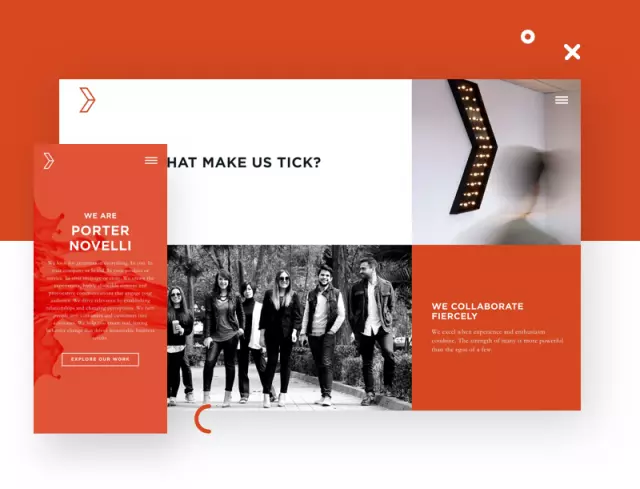
- Custom Software
- Creative Consulting
- Read More Design
- Focussed on Security
Fathom
 Holly Taylor
Marketing Manager at Fathom

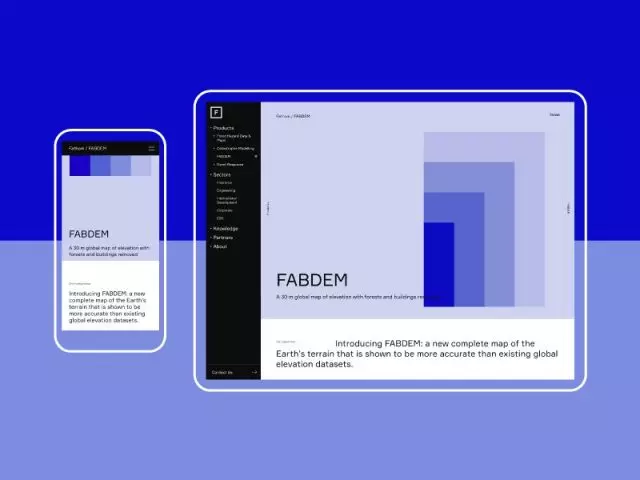
Ceros
 Matthew Wellschlager
VP of Marketing at Ceros
We make hard easy.
0+
Years on Market
0+
Projects Delivered
0-48h
From access to first findings
Legacy modernization here is staffed by engineers with 15+ years building custom business applications. Boulder, Colorado and Kraków, Poland.
FAQ
The questions people actually open with.
01 Do we have to rewrite the system?
No, and discovery often concludes you should not. A system that works is an asset. The question is whether it can still change, and that is answerable without rebuilding it.
02 Nobody here understands the code any more. Is that a problem for you?
It is the normal starting point. We read the system and write down what it does, which is usually the first accurate picture the company has had in years.
03 What if the right answer is to move off our custom system?
Then we say so. Moving to off-the-shelf software the business can afford at its current size is a legitimate outcome of discovery, not a failure.
04 Can you fix our security issues without taking the system offline?
Yes. We have migrated credentials that had never been rotated on a live system, with no service interruption and nothing visible to the client’s support team.
05 Our passwords are stored as plain text. How bad is that?
Bad, and contained. Replacing plain-text storage with encrypted storage is bounded work — we have done it to clear a security verification in a client’s insurance process.
06 Nobody notices when the system goes down. Can you fix that?
Yes. We add monitoring and alerting that flags when a significant part of the system slows down or goes offline, so you hear it from a system and not a customer.
07 Who deploys changes today? Right now it is someone copying files.
That is common and it is a recurring source of production mistakes. We replace it with an automated deployment process.
08 We have no technical person on staff. Can you be that?
Yes. Ongoing technical stewardship covers security updates, backup verification, email deliverability and monitoring. A retainer is available, not required.
09 Who works on this — will we get a junior?
No. Legacy modernization engagements are staffed by engineers with 15+ years building custom business applications.
10 Can you give us a fixed price for something this uncertain?
That is what discovery is for. We scope from an actual read of the system rather than a conversation about it, which is what makes a fixed-bid estimate honest.